Oracle Database: Multitenant Architecture
A cutting-edge, hands-on workshop focused on managing, isolating, and scaling container-based cloud databases using Oracle’s consolidated multitenant architecture.
English
Last updated
Tue, 09-Jun-2026
A cutting-edge, hands-on workshop focused on managing, isolating, and scaling container-based cloud databases using Oracle’s consolidated multitenant architecture.
English
Last updated
Tue, 09-Jun-2026
Oracle Database: Multitenant Architecture introduces administrators to the modern cloud-ready database framework engineered by Oracle. This course covers the consolidation of multiple isolated databases without changing existing application structures.
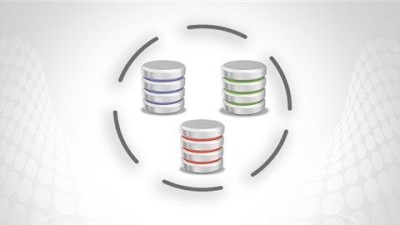
Students will learn the architectural differences between traditional standalone databases and modern Multitenant Container Databases (CDBs) that house multiple individual Pluggable Databases (PDBs).
Participants will gain deep practical experience provisioning, managing, and maintaining containerized environments. The curriculum walks students through creating new PDBs from scratch, cloning existing ones for testing environments, hot-plugging databases across different systems, and managing common vs. local users.
Additionally, the course covers how to manage system resources such as memory, CPU, and I/O profiles across various pluggable units using Oracle Resource Manager.
By the end of this course, database administrators will have the structural skills necessary to maximize server hardware utilization, streamline backup schedules for consolidated environments, and manage secure cloud-scale database operations.

Lead Technical Instructor & Software Engineer